
Internal Parasites: The Inside Story and What to Do
Understanding Internal Parasites and Protecting Your Pet
When we think about keeping our dogs and cats healthy, internal parasites may not always be the first concern that comes to mind. However, worms and other intestinal parasites are common in pets and can cause problems ranging from mild irritation to potentially life-threatening illness if they are left untreated.
Most dogs and cats will be exposed to internal parasites at some point during their lives. Because some parasites can also infect people, prevention is important not only for your pet's health but for the health of your entire household.
Fortunately, routine veterinary care, parasite testing, preventive medications, and a few simple habits at home can significantly reduce the risks associated with internal parasites.
Why Are Internal Parasites a Concern?
Internal parasites live inside an animal's body, often within the intestinal tract, where they can interfere with digestion, nutrition, hydration, and overall health. Depending on the type of parasite and the severity of the infection, pets may experience symptoms such as:
- Diarrhea
- Weight loss
- Dehydration
- Malnutrition
- Blood loss
- General weakness or poor condition
Some pets with parasites may show obvious signs of illness, while others can appear completely healthy. This is one reason routine parasite screening remains an important part of preventive veterinary care.
Can People Get Parasites from Their Pets?
Some internal parasites affecting dogs and cats are zoonotic, which means they can also infect people.
That does not mean normal interaction with your pet should be a cause for alarm. Zoonotic parasite infections are primarily associated with exposure to a contaminated environment, particularly soil where parasite eggs or larvae may be present.
Transmission can occur when a person accidentally ingests parasite eggs or an infected flea. Certain hookworm larvae can also enter the body by penetrating the skin.
Children, gardeners, and anyone spending time in areas where animals frequently eliminate may have greater opportunities for environmental exposure. Good hygiene and responsible parasite prevention can greatly reduce these risks.
How Can You Help Prevent Internal Parasites?
Protecting your pet starts with a combination of veterinary prevention and good habits at home. Because every animal has different risk factors based on age, lifestyle, environment, and health, your veterinarian can recommend an appropriate parasite prevention schedule.
Steps you can take include:
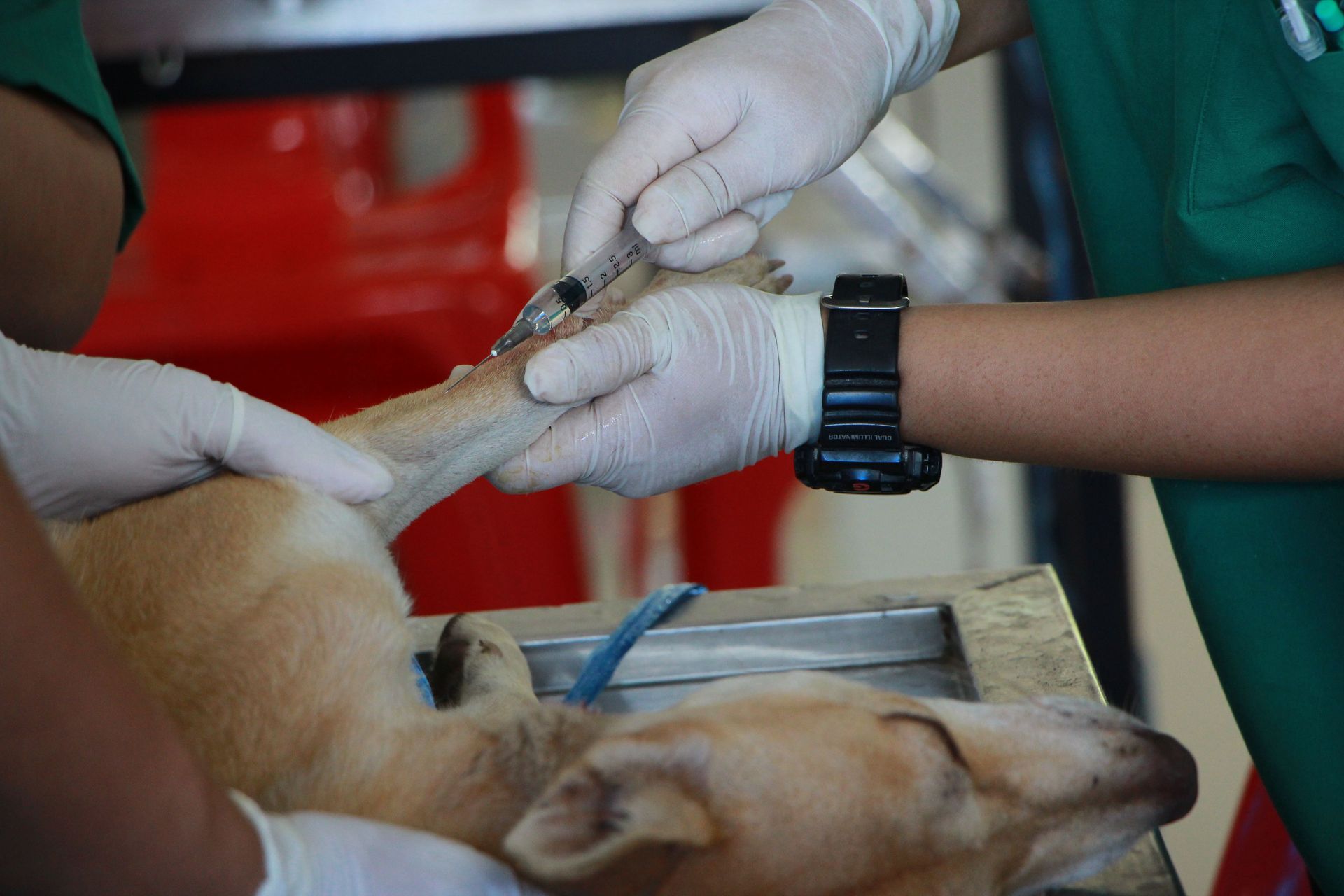
- Deworm your pet according to the schedule recommended by your veterinarian.
- Wash your hands thoroughly, especially after handling pet waste or cleaning a litter box.
- Keep dogs and cats protected from fleas with a veterinarian-recommended preventive throughout the year.
- Remove pet waste from your yard regularly, ideally two to three times each week, before parasite eggs have additional opportunities to spread throughout the environment.
- Limit access to heavily traveled pet areas and uncovered sandboxes where contamination may occur.
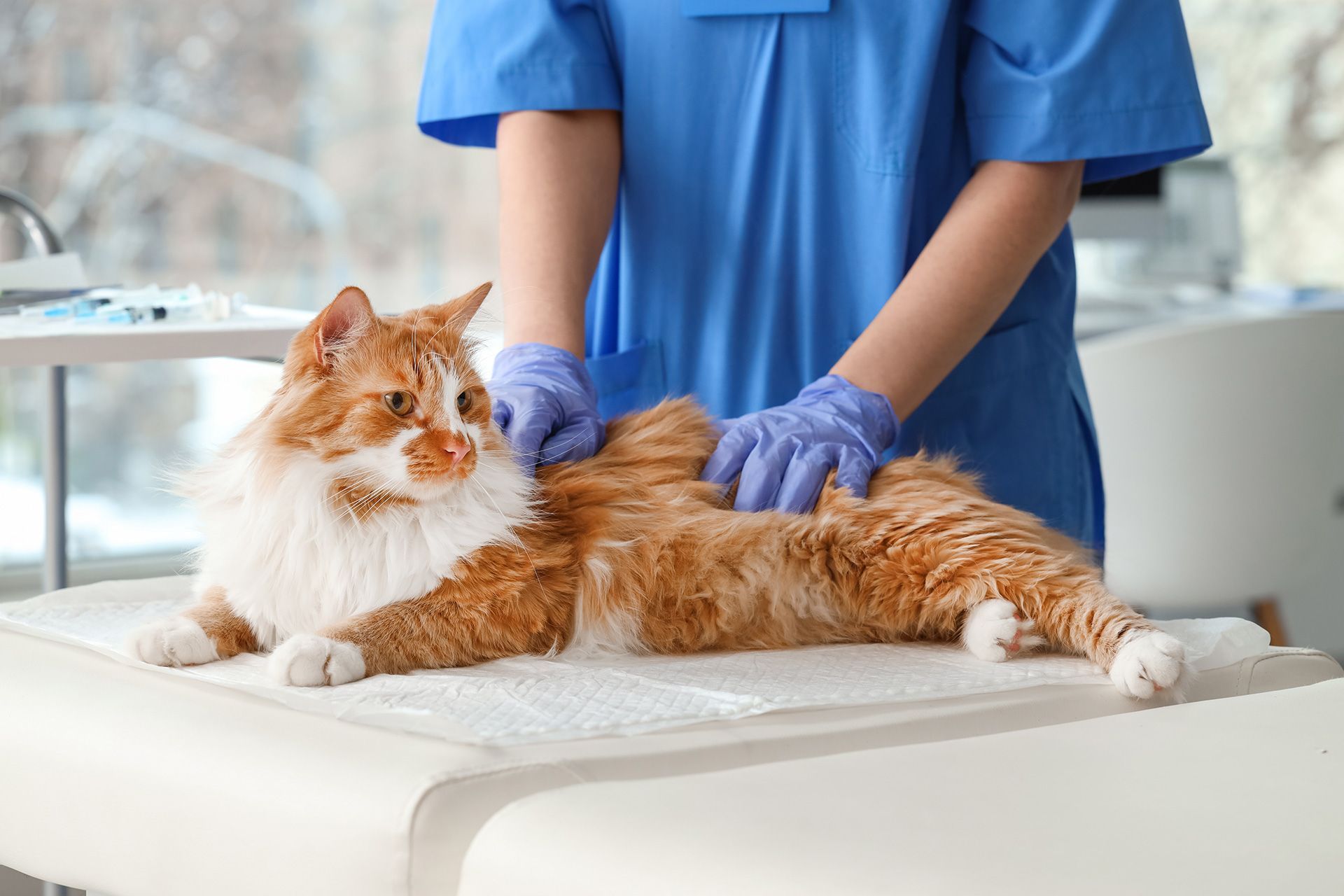
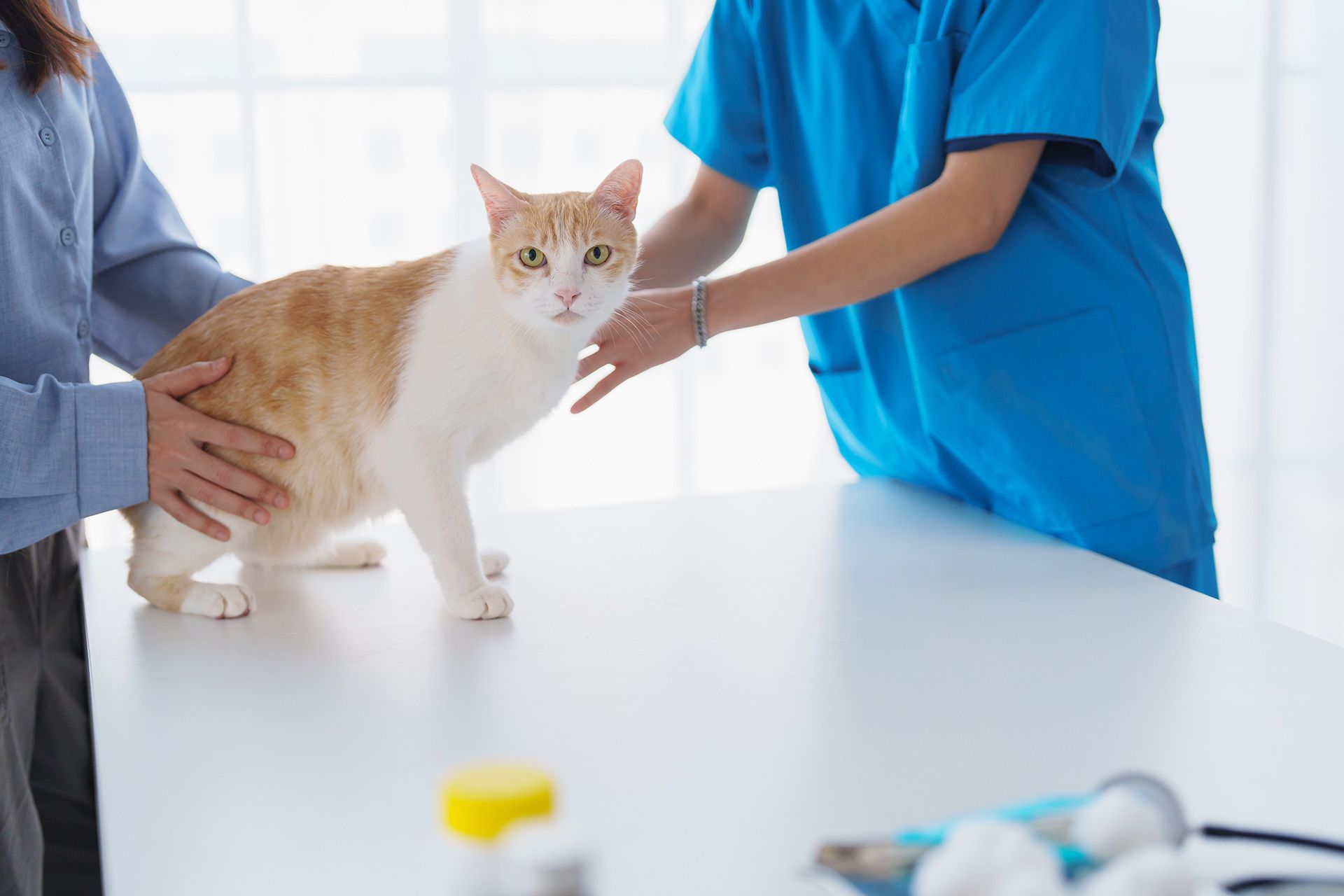
- Have your pet checked for internal parasites regularly.
- Wear gloves while gardening or working with soil.
- Avoid walking barefoot in areas where contaminated soil may be present.
These simple precautions can protect your pet while also helping decrease parasite contamination around your home and community.



What Is Strategic Deworming?
Strategic deworming is a preventive approach that uses repeated treatments at appropriate intervals to reduce the risk of parasite infections.
Puppies and kittens typically require a repetitive deworming schedule because parasite exposure can begin very early in life. As pets mature, deworming and parasite prevention can be adjusted according to their individual environmental and lifestyle risks.
Why Year-Round Prevention Matters
Consistent prevention helps interrupt the parasite life cycle before an infection becomes established. It can also help reduce the amount of environmental contamination that places other pets and people at risk.
Rather than waiting until your pet develops symptoms, proactive parasite prevention allows your veterinarian to help protect them throughout the year.
Keep Your Pet Protected from Internal Parasites - Contact Our Local Animal Hospital to Schedule an Appointment
Internal parasites are common, but they do not have to become a serious problem. Routine veterinary examinations, parasite screenings, appropriate deworming, flea prevention, and good hygiene can all help reduce your pet's risk of infection.
At Damariscotta Veterinary Clinic, preventive pet care is an important part of helping dogs and cats enjoy healthier lives. Dr. Christine Welch and her team can evaluate your pet's individual risk factors, recommend appropriate parasite testing, and help you choose preventive medications suited to their age, lifestyle, and needs.
Whether you have a new puppy or kitten, an adventurous outdoor pet, or a longtime companion due for a wellness visit, staying proactive about parasite prevention can protect both your pet and the people who share their environment.
Contact us today to schedule an appointment and learn more about internal parasite testing, deworming, and year-round preventive care for your pet.